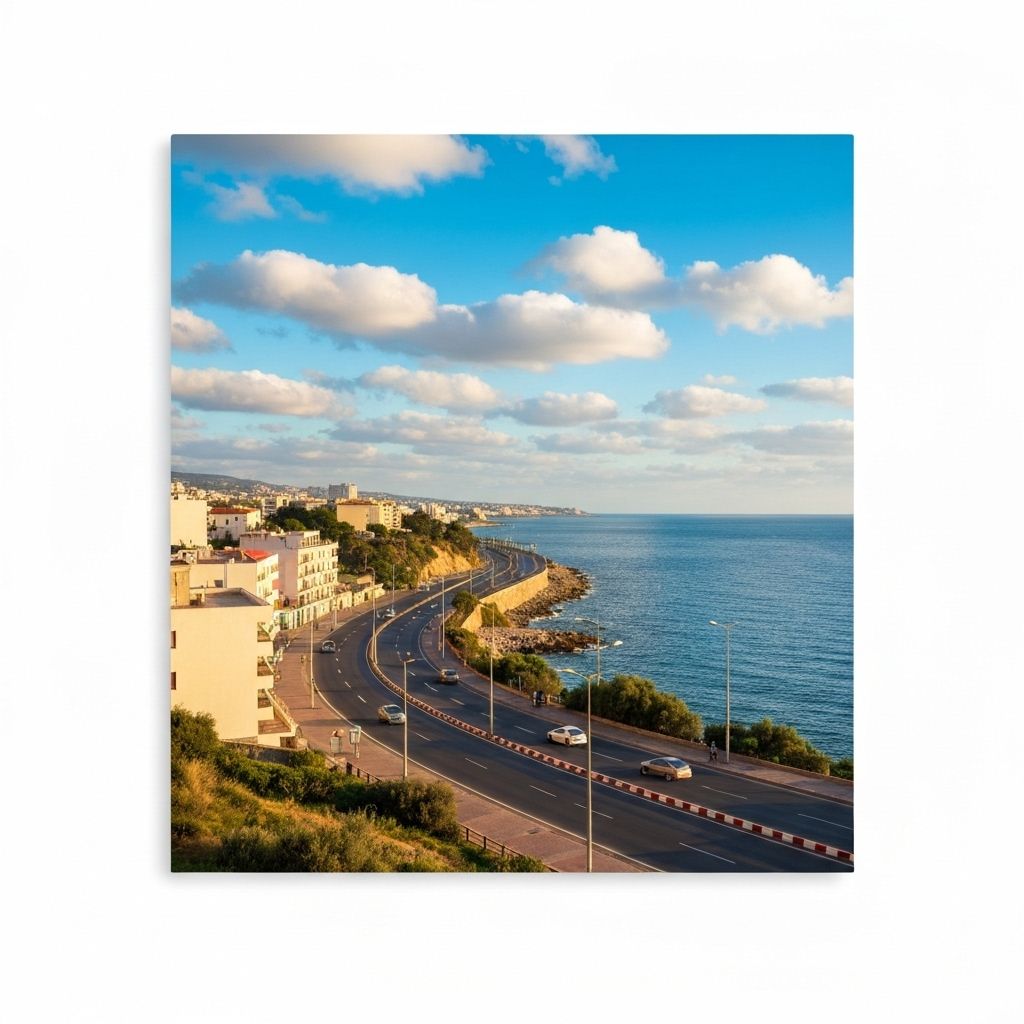
Driving in Algeria requires awareness, preparation, and defensive driving skills. This comprehensive safety guide covers everything you need to know to stay safe on Algerian roads, from urban driving to desert expeditions.
Understanding Algerian Road Conditions
Road Quality Overview
Algeria's road network varies significantly by region:
- Excellent: Modern autoroutes (toll highways) connecting major cities
- Good: Main national roads and coastal routes
- Fair: Secondary roads in rural areas
- Poor: Some mountain roads and remote desert tracks
Common Road Hazards
- Potholes: Even on main roads, especially after rain
- Unmarked speed bumps: Common in residential areas and near schools
- Livestock: Animals on rural roads, especially at dawn and dusk
- Pedestrians: Often cross roads unexpectedly in urban areas
- Motorcycles and scooters: Weave through traffic unpredictably
- Construction zones: Often poorly marked with inadequate signage
Critical Safety Note: Always drive defensively in Algeria. Expect the unexpected and maintain safe following distances at all times.
Essential Safety Equipment
Required by Law
- Warning triangle: Must be placed 30m behind vehicle in breakdown
- Reflective vest: Must be worn when exiting vehicle on roadside
- First aid kit: Basic medical supplies
- Fire extinguisher: Small portable extinguisher
- Spare tire: In good condition with proper inflation
Highly Recommended
- Flashlight: For nighttime emergencies
- Jumper cables: For battery issues
- Basic tools: Screwdriver, wrench, pliers
- Water and snacks: Especially for long journeys
- Mobile phone charger: Car charger and power bank
- Paper maps: Backup for GPS failure
Defensive Driving Strategies
Urban Driving Safety
- Maintain awareness: Constantly scan for pedestrians, motorcycles, and sudden lane changes
- Use mirrors frequently: Check blind spots before any maneuver
- Anticipate stops: Traffic lights and intersections can be unpredictable
- Avoid distractions: No phone use, stay focused on the road
- Be patient: Traffic congestion is common; aggressive driving increases risk
Highway Driving Safety
- Maintain safe speed: Respect speed limits (120 km/h on autoroutes)
- Keep right: Use left lane only for overtaking
- Safe following distance: Minimum 2-second gap, 4 seconds in poor conditions
- Signal intentions: Always use turn signals well in advance
- Watch for trucks: Large vehicles need more space and time to stop
Rural and Mountain Driving
- Reduce speed on curves: Mountain roads have sharp, blind turns
- Use horn on blind corners: Alert oncoming traffic
- Watch for falling rocks: Common in mountainous areas
- Uphill vehicles have priority: Give way when meeting on narrow roads
- Use lower gears: Engine braking on steep descents
Night Driving Safety
Challenges of Night Driving
- Reduced visibility of pedestrians and cyclists (often without lights)
- Poorly lit roads in rural areas
- Increased fatigue and reduced reaction time
- Higher risk of encountering impaired drivers
- Animals more active at night
Night Driving Tips
- Reduce speed: Drive 10-20 km/h slower than daytime
- Use high beams: When no oncoming traffic, but dim for others
- Clean windshield: Ensure maximum visibility
- Avoid fatigue: Take breaks every 2 hours
- Stay alert: Watch road edges for pedestrians and animals
Safety Recommendation: Avoid driving at night in unfamiliar rural areas. If you must, plan your route carefully and inform someone of your itinerary.
Weather-Related Safety
Rain and Wet Roads
- Reduce speed: 20-30% slower than dry conditions
- Increase following distance: Double your normal gap
- Avoid sudden movements: Gentle steering, braking, and acceleration
- Watch for hydroplaning: Ease off accelerator if car feels light
- Use headlights: Improve visibility for you and others
Fog Driving
- Use fog lights: Front and rear fog lights if equipped
- Slow down significantly: Visibility can drop to meters
- Use road markings: Follow edge lines for guidance
- Avoid overtaking: Too dangerous in low visibility
- Consider stopping: If visibility is extremely poor, pull over safely
Desert Driving Safety
- Never travel alone: Always go in convoy (minimum 2 vehicles)
- Inform authorities: Register your route with local police
- Carry extra supplies: Water (5L per person per day), food, fuel
- GPS and maps: Multiple navigation methods
- Emergency equipment: Satellite phone, first aid, recovery gear
- Avoid midday travel: Extreme heat (40-50°C) is dangerous
Emergency Procedures
Vehicle Breakdown
- Move to safe location: Pull off road if possible
- Turn on hazard lights: Immediately
- Place warning triangle: 30m behind vehicle
- Wear reflective vest: Before exiting vehicle
- Call for assistance: Rental company roadside assistance
- Stay with vehicle: Unless in immediate danger
Accident Procedure
- Stop immediately: Never leave accident scene
- Check for injuries: Call ambulance (14) if needed
- Call police: Dial 17 or 1548 for traffic police
- Exchange information: Names, insurance, license plates
- Document scene: Photos of damage, positions, road conditions
- File police report: Required for insurance claims
- Notify rental company: Immediately, before moving vehicle
- Do not admit fault: Let insurance companies determine liability
Important: In Algeria, you must file a police report (constat) for any accident, even minor ones. This is required for insurance claims.
Emergency Contact Numbers
- Police: 17 or 1548
- Ambulance: 14
- Fire Department: 14
- Highway Emergency: 104
- Civil Protection: 14
Avoiding Common Accidents
Rear-End Collisions
Prevention:
- Maintain 2-4 second following distance
- Anticipate stops and brake early
- Check mirrors before braking
- Avoid sudden stops when possible
Intersection Accidents
Prevention:
- Slow down approaching intersections
- Look both ways even with green light
- Watch for red-light runners
- Make eye contact with other drivers
Lane Change Accidents
Prevention:
- Always check blind spots
- Signal well in advance
- Change lanes gradually
- Avoid changing multiple lanes at once
Dealing with Aggressive Drivers
If Someone is Tailgating You:
- Don't brake suddenly or speed up
- Move to right lane when safe
- Let them pass
- Don't engage or make gestures
If Someone Cuts You Off:
- Slow down and create space
- Don't retaliate
- Take deep breath and stay calm
- Report dangerous driving to police if necessary
Fatigue Management
Warning Signs of Fatigue:
- Frequent yawning
- Heavy eyelids
- Drifting from lane
- Missing exits or turns
- Difficulty focusing
Preventing Driver Fatigue:
- Take breaks: Every 2 hours or 200 km
- Get adequate sleep: 7-8 hours before long drives
- Avoid heavy meals: Eat light, stay hydrated
- Share driving: Alternate drivers on long trips
- Stop if tired: Never push through fatigue
Rest Stop Tip: Use highway rest areas (aires de repos) for breaks. They're spaced every 50-80 km on major autoroutes.
Child Safety
Child Restraint Requirements:
- Under 10 years: Must use appropriate child seat
- Rear-facing seats: For infants up to 15 months
- Forward-facing seats: For toddlers 15 months to 4 years
- Booster seats: For children 4-10 years
- Back seat: Children under 10 should sit in rear
Child Safety Tips:
- Always use appropriate car seat for child's age and weight
- Ensure car seat is properly installed and secured
- Never hold a child on your lap while driving
- Lock rear doors to prevent children opening them
- Keep toys and loose objects secured
Vehicle Maintenance for Safety
Pre-Trip Inspection:
- Tires: Check pressure and tread depth
- Lights: Test all lights (headlights, brake lights, turn signals)
- Fluids: Check oil, coolant, brake fluid, windshield washer
- Brakes: Test brake response
- Wipers: Ensure they work properly
- Mirrors: Adjust for optimal visibility
During Long Trips:
- Monitor temperature gauge
- Listen for unusual noises
- Check tire pressure at rest stops
- Top up fluids as needed
- Report any issues to rental company immediately
Cultural Awareness and Local Customs
Understanding Local Driving Culture:
- Horn use: Common and not considered rude - used for communication
- Lane discipline: Less strict than Europe; expect frequent lane changes
- Right of way: Sometimes negotiated rather than strictly followed
- Parking attendants: Tip gardiens who watch your car (50-200 DZD)
- Friday prayers: Expect heavy traffic near mosques 12-2 PM
Final Safety Checklist
Before Every Drive:
- ✓ Adjust seat, mirrors, and steering wheel
- ✓ Fasten seat belt (and ensure all passengers do)
- ✓ Check fuel level
- ✓ Plan route and check traffic conditions
- ✓ Ensure phone is charged and accessible
- ✓ Have emergency numbers saved
- ✓ Verify you have all required documents
Drive Safe, Enjoy Algeria
Following these safety guidelines will help ensure your Algerian road trip is memorable for all the right reasons. Stay alert, drive defensively, and enjoy the journey!